From Costa Rica to the United States: Preparing Max’s Journey, Step by Step
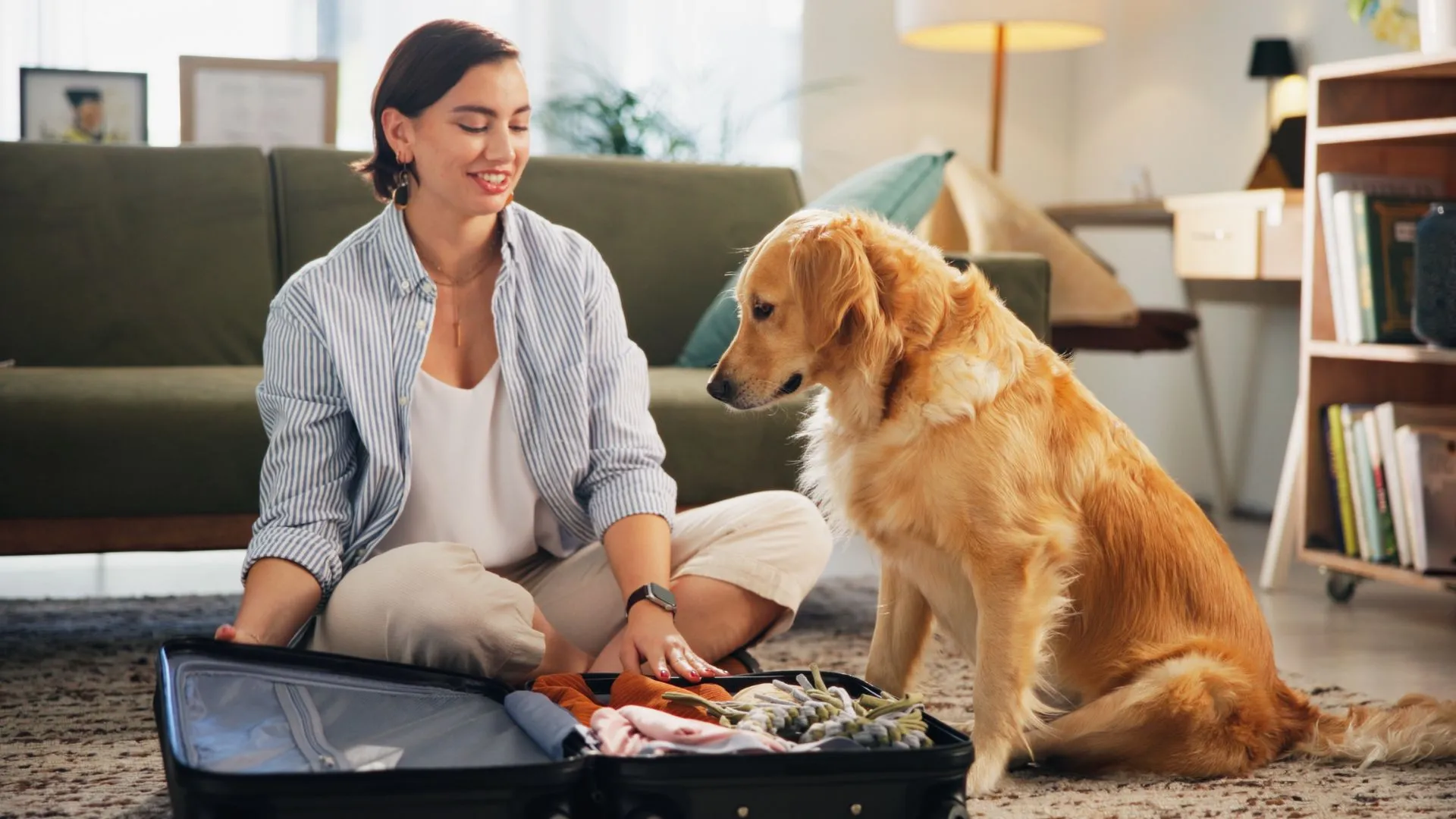
Diego had already chosen the date for his move to Miami when Max appeared with a ball in his mouth. Between boxes and phone calls, his dog was still looking for a chance to play.
Diego wanted to preserve that sense of normality while organizing the trip. To do so, he began with a simple question: what did Max need to enter the United States?
Requirements depend on the species and, for dogs, also on the countries they have visited during the previous six months. The flight’s departure point does not tell the whole story.
For dogs that have only been in countries that are dog rabies-free or low-risk during that period, the CDC requires them to be at least six months old, appear healthy, have a microchip detectable by a universal scanner, and have a CDC Dog Import Form receipt.
Diego reviewed Max’s history before completing the form. If Max had been in a high-risk country, he would have needed to follow a different procedure, with additional conditions depending on where he received his rabies vaccination.
Then he discovered a detail he could not overlook: meeting CDC conditions does not eliminate other health requirements.
For dogs coming from countries affected by screwworm, APHIS requires official certification confirming an inspection carried out within five days before shipment and compliance with its health conditions. Diego therefore included a review of this requirement for Max’s departure from Costa Rica.
He also coordinated the export documentation with SENASA and checked the destination state’s requirements and the airline’s conditions. If he had been traveling with a cat, he would have needed to review the rules for cats rather than use the canine checklist.
With the paperwork underway, it was time to prepare Max.
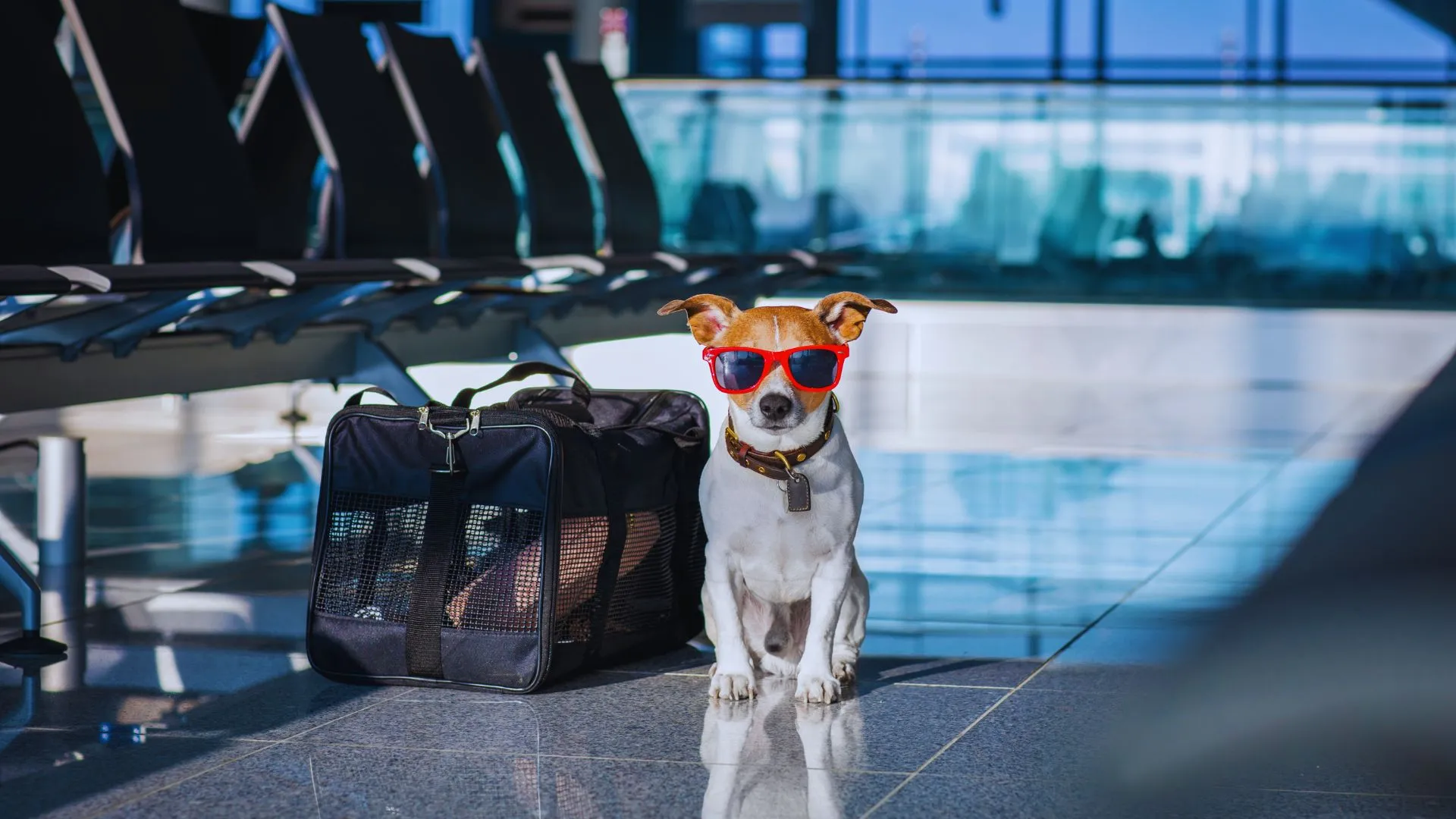
Diego confirmed his space with the airline and chose a suitable travel crate. He left it open at home so Max could get to know it before the journey. He also consulted the veterinarian about feeding, hydration, and any individual needs during transport.
He did not give Max sedatives on his own initiative. The preparations were meant to help him travel safely, without introducing unplanned medication.
On departure day, Diego kept the documents accessible and allowed enough time for the handover and inspections. He had chosen the itinerary by considering the total journey time and transport conditions, as well as the destination.
In Miami, Max took a few seconds to recognize him among the airport sounds. Then came the wagging tail and the enthusiasm that no move had changed.
Preparing a trip to the United States means reviewing the pet’s history, health requirements, and complete travel logistics. That way, the journey can become the first step toward new routines together.