Traveling to Australia with Your Pet: A Story That Begins Months in Advance
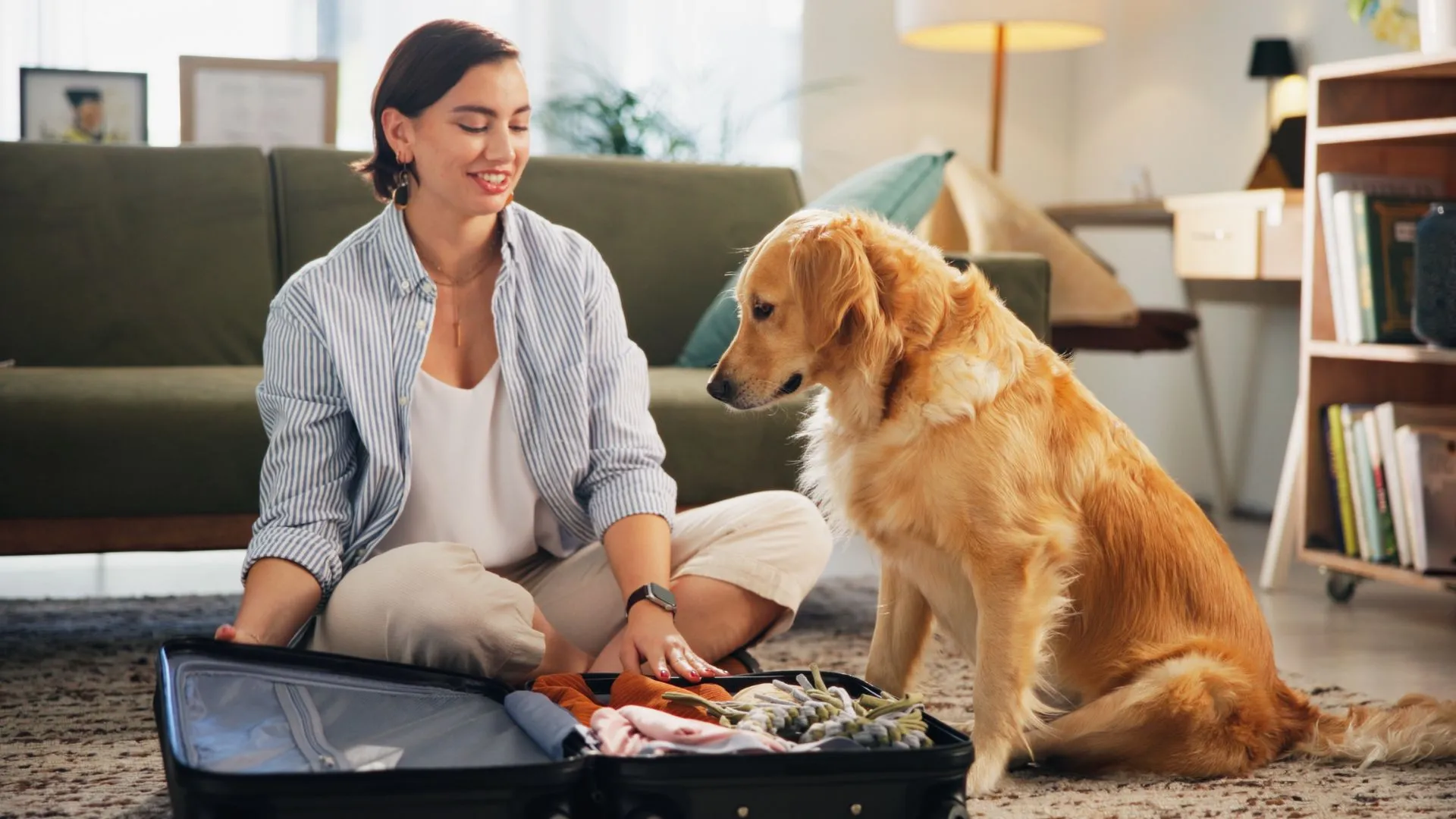
When Mariana received confirmation of her relocation to Melbourne, she looked at Toby and started searching for flights. She imagined a long journey, perhaps a couple of connections, and a joyful reunion at the end.
But taking her dog from Costa Rica to Australia required much more than choosing an itinerary.
Costa Rica is not among the countries approved to export dogs and cats directly to Australia. Mariana then understood that an airport layover in an approved country would not satisfy the requirement: Toby needed health preparations and a period of residence in an approved country.
The calendar became the most important tool in the move.
For a route through a Group 3 country, the conditions include residence in an approved country for at least 180 days and specific requirements relating to the rabies antibody test. The timing and sequence must be arranged according to the official guidance and import permit.
That period of residence does not replace the subsequent quarantine in Australia. They are separate stages of the process.
Mariana stopped thinking about a single arrival date and began organizing a series of steps: microchip identification, vaccination, tests, documentation, a permit, and accommodation during the preparation period.
The microchip number had to match across reports and certificates. Tests and treatments had to be performed by authorized professionals within the relevant time frames. Some conditions depend on the species, country of export, and the animal’s individual characteristics.
Entry and quarantine also needed to be coordinated. For dogs arriving from Group 3 countries, Australian guidance establishes a minimum stay of 30 days, which may be reduced to a minimum of 10 when specific identity verification and preparation conditions are met. Mariana did not assume Toby would qualify for the shorter period.
Meanwhile, she focused on something no form could resolve on its own: helping him adjust to the journey.
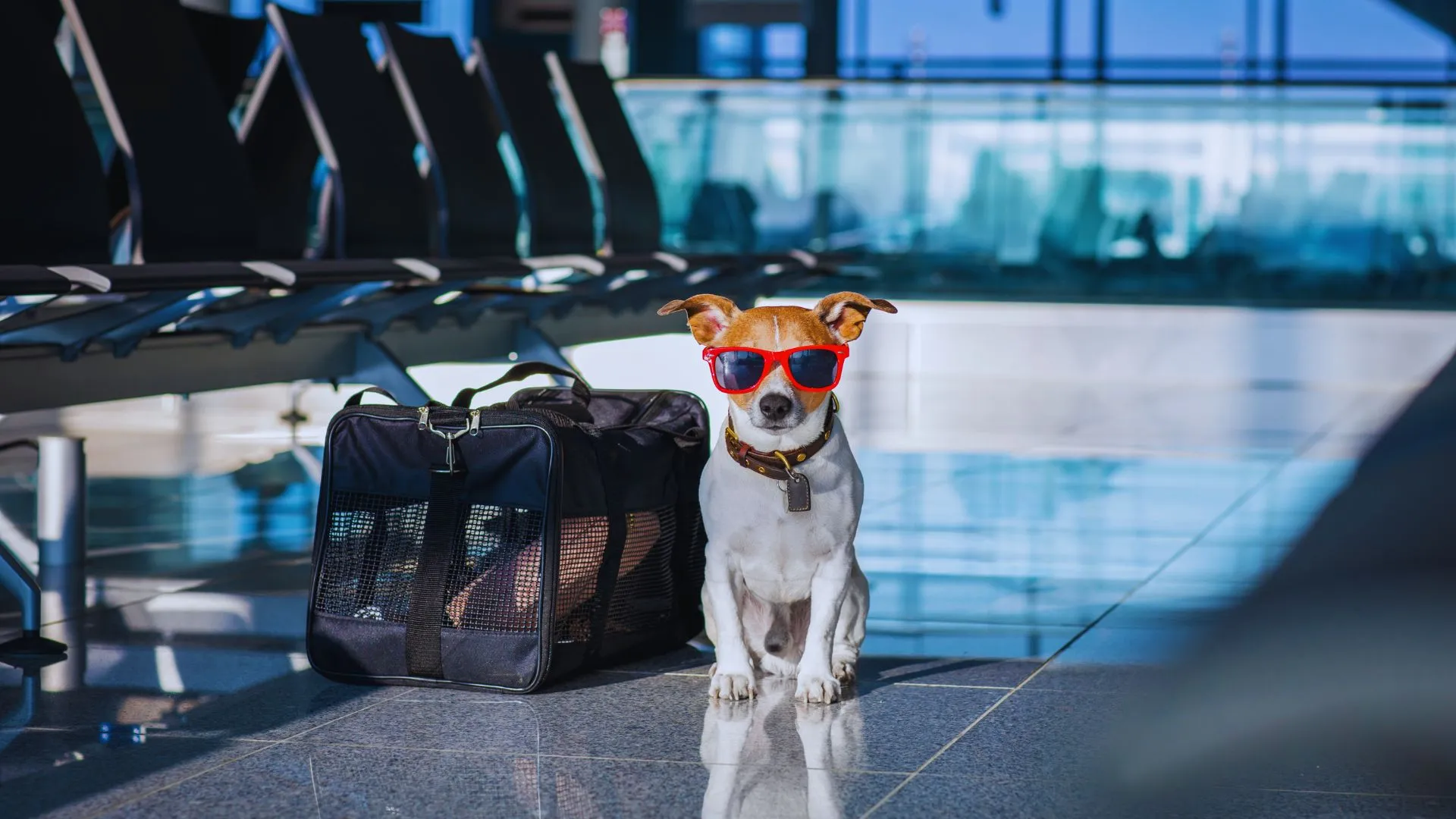
The travel crate became part of Toby’s routine well in advance. Mariana arranged his care during the prior residence period and asked how any medical needs would be managed during transport and quarantine.
She understood that the best route had to consider his well-being as well as the available connections.
When she could finally welcome him, their reunion came after months of planning. Toby approached with his usual excitement; Mariana knew how much work had made that moment possible.
Traveling to Australia with a pet requires starting at least six months in advance—and sometimes earlier. Confirming eligibility, arranging the prior residence period, and following every stage makes it possible to build a realistic plan for one of the most demanding routes.