Arriving in Costa Rica with Your Pet: The Journey to a New Home
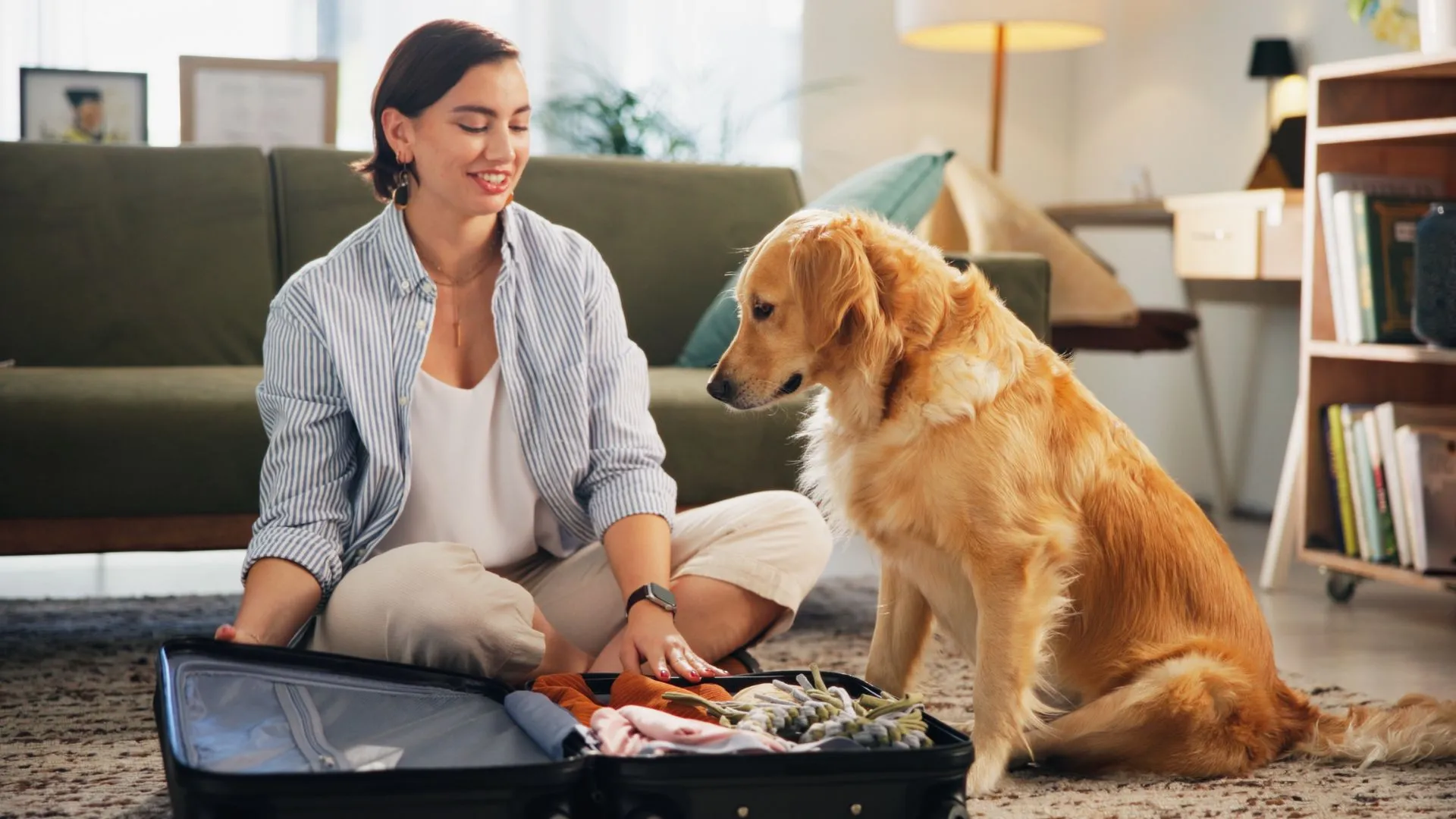
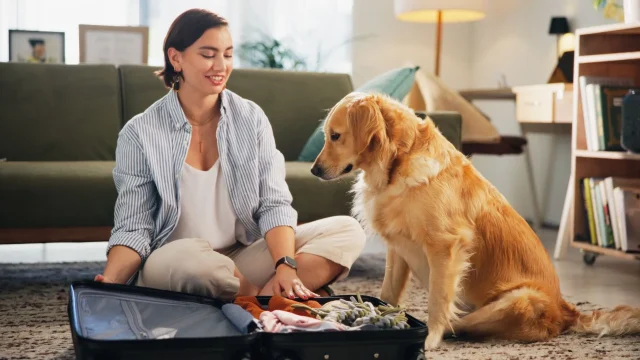
As she closed her last suitcase, Ana saw Bruno lying by the door. Her dog knew nothing about moving, paperwork, or international flights. He only knew that something was changing and that he wanted to stay close to her.
For Ana, starting a new life in Costa Rica came with one condition: Bruno had to come along. That is why his preparations began long before they reached the airport.
The first step was organizing the documents according to the country of origin and the method of transport. Traveling with an accompanied pet does not always involve the same procedures as shipping one as cargo. For example, dogs and cats arriving from the United States require a health certificate issued by an accredited veterinarian and endorsed by USDA APHIS; unaccompanied pets also need a Costa Rican import permit.
Ana prepared a folder with the health certificate, vaccination records, and required treatments. She checked names, dates, and identification details. She understood that having the documents was just as important as making sure they were complete and valid.
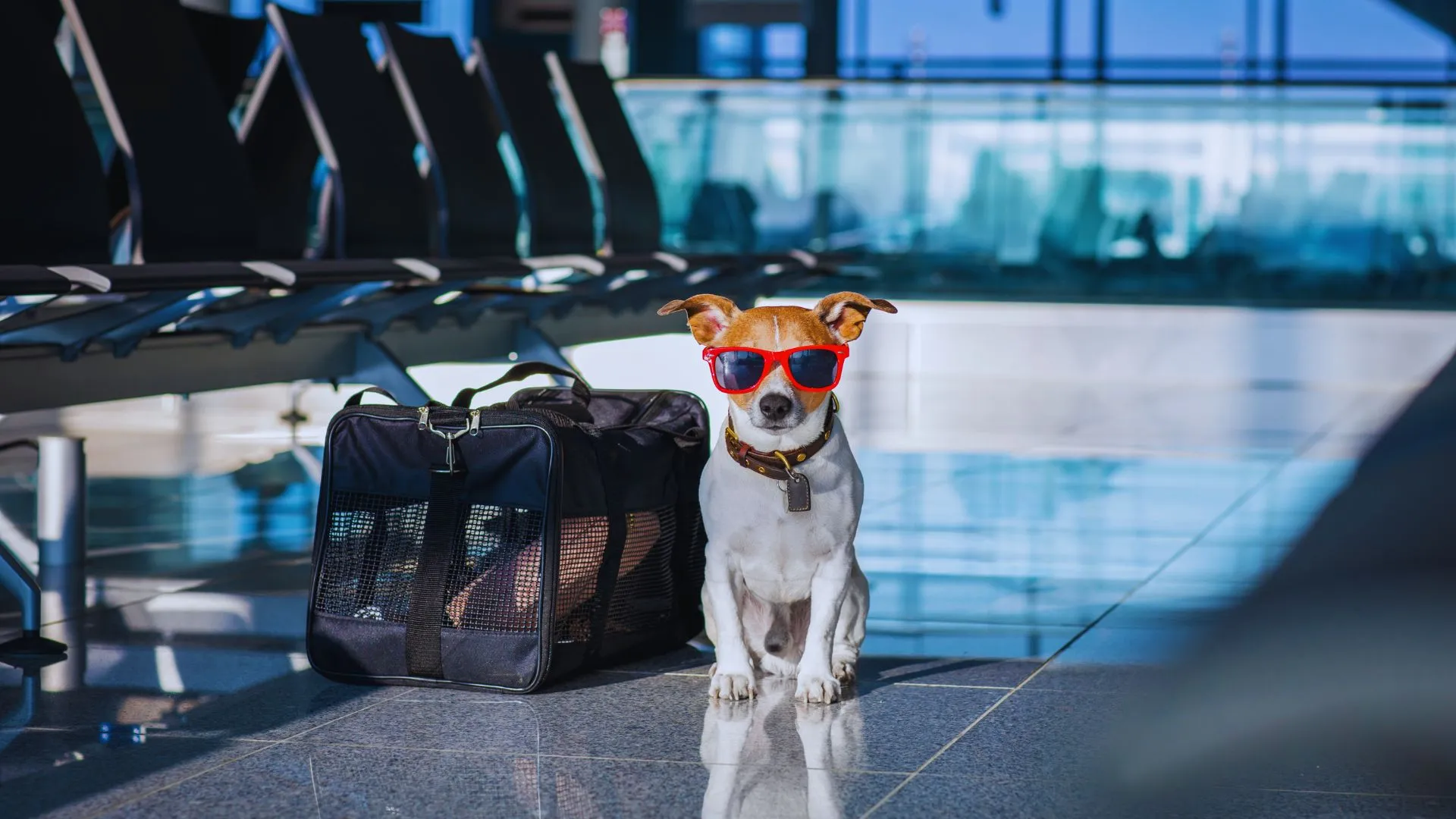
Then it was time to prepare the travel crate.
At first, Bruno barely approached it. Ana left it open at home and let him explore without forcing him inside. Little by little, that unfamiliar object became part of his routine.
The crate had to allow him to stand, turn around, and lie down naturally, while also meeting the airline’s requirements. Ventilation, secure fastening, and access to water were also part of the preparations.
Before confirming the flight, Ana arranged who would receive Bruno, where his documents would be checked, and how he would travel from the airport. Whether arriving in San José or Liberia, his reception had to be organized according to the service booked and the method of entry.
On travel day, she stayed calm. She followed the veterinarian’s instructions on feeding and hydration and kept the documents close at hand.
After arriving in Costa Rica, there were still inspections and the handover to complete. Ana waited until they were somewhere safe before opening the crate. Bruno stepped out slowly, sniffed the ground, and walked toward her.
He did not need to know the country’s name to feel that he was not alone.
A well-prepared relocation considers both departure and arrival. Reviewing SENASA requirements, confirming the airline’s conditions, and arranging arrival logistics helps make the beginning of a new life less uncertain for the whole family.